
S&P Global Ratings Projects Strong Islamic Banking Growth In the South East Asian Market
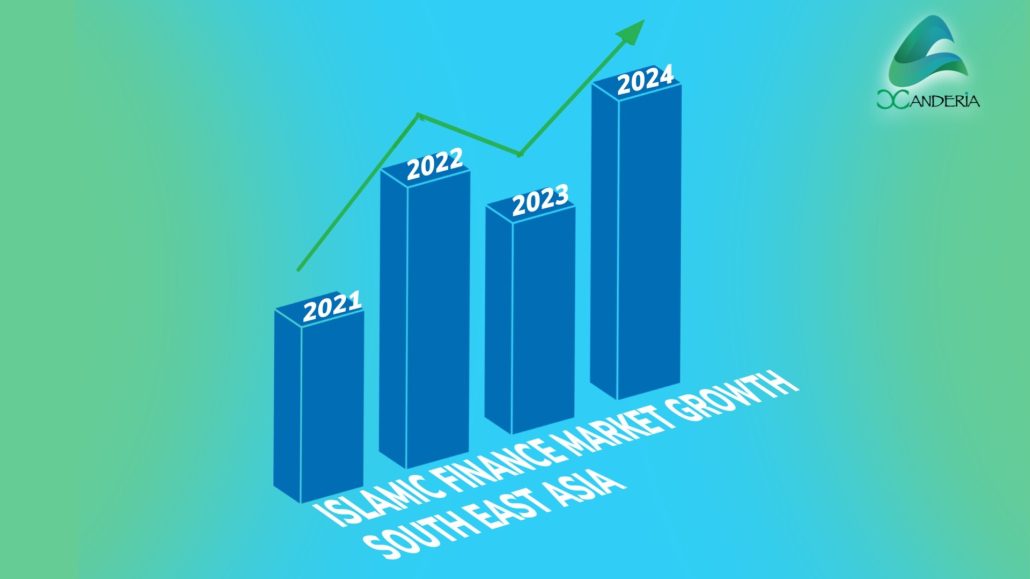
The Islamic banking industry in South-East Asia is expected to grow by 8% in the coming years, supported by increasing demand for Islamic financing products and services, and a low penetration rate in Indonesia, according to a report by S&P Global Ratings. The report stated that the growth in the Islamic banking sector is expected to outpace the conventional banking sector in Malaysia and Indonesia, despite the economic slowdown seen in these major markets.
On a global scale, S&P Global Ratings expects the Islamic finance industry to register a growth of 10% from 2023 to 2024, following a similar expansion rate last year. The report noted that the growth in the industry was largely fuelled by the Gulf Cooperation Council countries, notably Saudi Arabia and Kuwait. However, growth in other countries was either muted or held back by local currency depreciation.
Despite the overall decline in volumes, sukuk issuance is still likely to be a driver of growth for the industry. New issuances are expected to surpass maturing sukuk this year. S&P Global Ratings believes that sukuk issuance volumes will continue to fall in 2023, albeit at a slower pace than in 2022. Nevertheless, the expected higher new issuances will result in another positive contribution of the sukuk market to industry growth in 2023. The Islamic funds and takaful sectors are also likely to continue to expand.
The report also cautioned against factors such as lower and more expensive global liquidity, greater complexity related to structuring sukuk, and reduced financing needs for issuers due to fiscal surpluses from higher oil prices in some core Islamic finance countries that are likely to deter the sukuk issuance market. However, contributions to sukuk issuance volumes are likely to come from corporates, especially in countries where governments have announced transformation plans like Saudi Arabia.
S&P Global Ratings noted that progress towards greater standardization, supported by the digitalization of sukuk issuance, could enhance the Islamic finance industry’s structural growth potential. However, the report emphasized that having the adequate physical and non-physical infrastructure in place, along with the necessary supervision and regulatory framework, would be prerequisites for success in this area. The report also highlighted the potential for sustainability and digitalization to drive growth in the Sukuk market, with higher volumes of sustainability-linked Sukuk expected in the next one to two years.
To read more about the article, continue reading it here: https://www.thestar.com.my/business/business-news/2023/05/03/strong-demand-for-islamic-banking-products

